
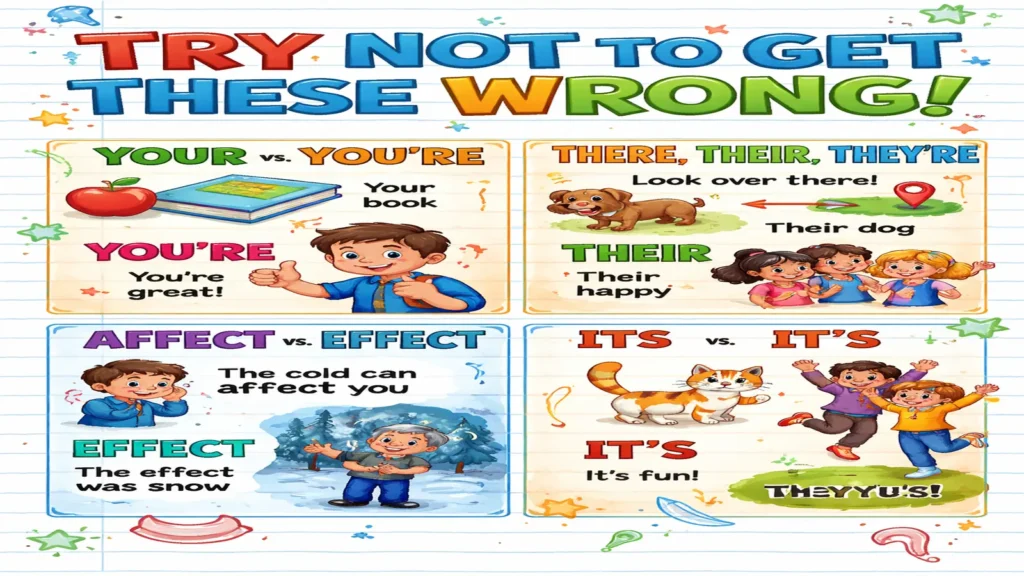
Some questions look easy until they are not. That is why challenge-style content stays so fun. A simple prompt can flip your first instinct in seconds. This guide is for readers who love riddles, trick questions, brain teasers, and quiz nights. It also helps bloggers, teachers, and party hosts build better challenge content. If your goal is to Try Not to Get These Wrong, you need more than random guesses. You need calm reading, smart pacing, and a better feel for hidden clues.
Quick Answer
To try not to get these wrong, slow down and read every word. Most challenge questions are missed because people rush, assume, or overlook one small clue.
TL;DR
• Slow answers often beat fast guesses
• Tiny words can change the whole question
• Assumptions cause many avoidable mistakes
• Riddles reward flexible thinking, not panic
• Trivia works best with calm recall
• Good challenges mix surprise with fairness
Why These Questions Feel Easy at First
Many challenge questions look simple on purpose. That first easy feeling lowers your guard. As a result, you answer before checking the trap.
Good challenge writing also uses familiar language. However, the familiar setup often hides an unusual twist. That contrast is what makes people miss obvious clues.
• Simple wording creates false confidence
• Familiar setups hide unusual endings
• Short prompts feel safer than they are
• Easy openings invite quick guesses
• Common phrases trigger lazy reading
• Surface meaning masks hidden intent
• Readers expect normal logic first
• Confidence rises before thinking starts
• Plain language hides deeper twists
• Predictable patterns tempt automatic answers
• Fast readers skip the real clue
• Obvious answers often arrive too early
The Most Common Mistake Is Answering Too Fast
Rushing feels smart in a challenge. Still, speed usually helps the question, not the player. A two-second pause can save a wrong answer.
Fast guesses also create a confidence spiral. Once people commit, they stop checking themselves. Because of this, one small miss becomes a locked-in mistake.
• Pause before choosing any response
• Let the full question land first
• Resist blurting the first thought
• Count to two before answering
• Recheck odd wording right away
• Notice when certainty feels sudden
• Delay your answer under pressure
• Treat speed as a trap
• Give your brain one extra beat
• Separate confidence from correctness
• Catch impulse before it speaks
• Slow down when it sounds easy
Read the Exact Words Before You Decide
A single word can change everything. Words like “always,” “never,” “first,” or “only” matter more than they seem. So, careful reading beats clever guessing.
Challenge questions often hide the answer in plain sight. Meanwhile, rushed readers focus on the topic, not the wording. That is where small misses happen.
• Circle the strongest word mentally
• Watch for negatives and reversals
• Notice every time marker used
• Check if the question says “can”
• Look for limiting words first
• Separate facts from condition words
• Read the ending twice
• Spot “except” before you answer
• Compare “most” and “all” carefully
• Catch hidden contrast words
• Notice singular versus plural clues
• Treat tiny words like big clues
Trick Questions Love Your Assumptions
Trick questions work because people fill gaps on their own. The question says one thing, yet your mind adds another. That extra assumption usually causes the miss.
For example, people often imagine details that were never stated. Instead of reading what is there, they answer what they expected. That habit is the real trap.
• Never add facts not given
• Question the picture in your head
• Separate prompt from imagination
• Refuse to fill blank spaces
• Ask what was actually stated
• Drop background stories you invented
• Check whether location was named
• Notice when age was assumed
• Avoid guessing unseen objects
• Do not invent missing numbers
• Challenge your own mental shortcut
• Stick to the printed clues
Riddles Often Reward a Different Angle
Riddles rarely want a straight path. Instead, they reward flexible thinking and surprise. That is why literal readers often miss clever answers.
A good riddle changes the frame. Once you look from a new angle, the answer feels obvious. Before that moment, though, it can feel impossible.
• Look for wordplay before logic
• Test a literal reading first
• Then test a playful reading
• Ask what else the words mean
• Consider sounds, not just meaning
• Flip the question around mentally
• Search for double meanings
• Try object, action, and idea answers
• Think smaller than expected
• Then think broader than expected
• Notice rhyme or sound clues
• Accept that weird may be right
Brain Teasers Test Process, Not Just Knowledge
Brain teasers are not only about being smart. They are about how you move through a problem. Because of this, strong process beats random brilliance.
Many people know enough to solve a teaser. However, they skip steps and lose the thread. A calm method makes hard questions feel more manageable.
• Break the problem into parts
• Track each clue in order
• Write down possible patterns
• Remove impossible options early
• Test one idea at a time
• Keep emotion out of solving
• Use logic before memory
• Repeat the clue sequence slowly
• Compare answers against all details
• Check whether steps still fit
• Simplify messy setups first
• Stay patient during confusion
General Knowledge Challenges Need Calm Recall
Trivia misses often come from panic, not ignorance. People know the answer, yet they doubt themselves. So, calm recall matters more than flashy confidence.
A strong quiz player also knows when not to overthink. If a fact is clear, trust it. If not, make the cleanest guess and move on.
• Trust facts you truly know
• Avoid changing solid answers late
• Skip panic when options blur
• Use category context to help
• Match era, place, and topic
• Eliminate wild guesses first
• Separate memory from assumption
• Keep your first solid recall
• Do not chase clever answers
• Watch for obvious category clues
• Save energy for harder rounds
• Reset after each missed question
Watch for Questions That Sound Familiar
Some challenges feel familiar because you have seen similar wording before. That can help, but it can also hurt. Familiar forms often lead people into careless autopilot.
Writers use this on purpose. They know readers expect the old answer. Then they swap one detail and turn certainty into a mistake.
• Familiar phrasing can be bait
• Old formats hide new twists
• Do not trust memory alone
• Compare this version carefully
• Spot the changed detail fast
• Ask what feels slightly off
• Avoid finishing the question mentally
• Notice reused patterns with edits
• Expect classic traps in new clothes
• Relearn the prompt each time
• Ignore how similar it sounds
• Treat every question as fresh
The Best Way to Avoid Easy Wrong Answers
You do not need secret tricks. You need a better routine. Once your routine improves, your score usually improves too.
Start with reading, then pausing, then checking assumptions. After that, use flexible thinking when the obvious answer feels too neat. This habit works across riddles, trivia, and teasers.
• Read once for meaning
• Read again for hidden traps
• Pause before saying anything
• Check every condition word
• Remove added assumptions quickly
• Test the obvious answer last
• Look for alternate meanings
• Keep your pace steady
• Stay playful under pressure
• Use logic when facts fail
• Trust clear clues over ego
• Practice with mixed question types
Build Your Own “Don’t Get These Wrong” Challenge
A great challenge feels tough but fair. It should surprise readers without making them feel tricked. Therefore, structure matters as much as the questions.
The best sets also vary the difficulty. Early wins build momentum. Later twists create tension and make the challenge memorable.
• Start with one easy confidence-builder
• Add harder items gradually
• Mix trivia with riddles
• Alternate short and long prompts
• Keep answer style consistent
• Place a twist after a simple one
• Use clean wording throughout
• Avoid confusing grammar entirely
• Give players time to think
• Reveal answers with brief payoff
• End with a strong finale
• Leave readers wanting one more round
Great Topics for a USA Audience
The best topics feel familiar without getting stale. Readers enjoy categories they recognize quickly. At the same time, variety keeps the challenge lively.
USA audiences often respond well to mixed everyday themes. That includes school facts, food, travel, sports, movies, language, and seasonal fun. Still, balance is the key.
• state trivia and landmarks
• school and classroom brain games
• food clues and menu twists
• weather and season questions
• sports basics with clever wording
• movie lines without deep fandom
• holiday-themed challenge rounds
• family game night prompts
• workplace-friendly puzzle topics
• road trip trivia sets
• everyday object riddles
• pop culture with broad appeal
How to Make the Challenge Fun for Groups
Group play changes the energy fast. People enjoy questions more when the room stays light and friendly. So, the format should reward fun, not just perfection.
It also helps to keep rounds moving. Short bursts create excitement, while long pauses drain momentum. A simple score system keeps everyone involved.
• Use teams for shy players
• Keep rounds short and lively
• Rotate who answers first
• Celebrate clever misses too
• Add tie-breakers with humor
• Let groups discuss briefly
• Mix solo and team rounds
• Keep score easy to follow
• Use answer reveals for laughs
• Avoid one player dominating
• End each round with energy
• Invite rematches for replay value
FAQs
What makes a question a trick question?
A trick question leads you toward an answer that feels obvious but is wrong. Usually, the trap comes from wording, assumption, or missing one key clue.
Are riddles and brain teasers the same thing?
Not always. Riddles often use wordplay or hidden meaning. Brain teasers usually focus more on logic, process, or pattern recognition.
Why do easy questions feel harder under pressure?
Pressure speeds up your response and cuts down careful reading. Because of that, small clues are easier to miss in fast settings.
How can I get better at quiz challenges?
Practice with mixed formats and review why you missed each one. Over time, you start spotting common traps before they catch you.
Should I trust my first answer?
Trust your first answer when it comes from clear recall, not panic. However, change it when you find a real clue you missed.
What is the best mix for a fun challenge post?
A strong mix includes trivia, trick questions, riddles, and one or two logic puzzles. That variety keeps different readers engaged.
Conclusion
The best challenge questions are fun because they feel simple before they turn sharp. That little twist keeps readers engaged and makes every answer feel earned. If you want better results, slow down, read closely, and question your first assumption. Those three habits fix more mistakes than people expect. So the next time you Try Not to Get These Wrong, do not rush to sound smart. Read smart first, and the right answers will come faster.

A playful wordsmith with a knack for misdirection, I craft riddles that tease the brain. My puzzles blend clever clues, clean logic, and a dash of humor—built to challenge beginners and stump seasoned solvers alike. From short, punchy brainteasers to layered mysteries with hidden meanings, I love turning everyday ideas into mind-bending questions that invite curiosity and conversation. When I’m not twisting words into puzzles, I’m collecting strange facts, testing new clue styles, and fine-tuning the art of fair—but fiendish—fun.