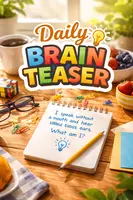
A daily puzzle can do more than fill spare time. It can wake up your thinking, add fun to a slow moment, and give you a small win early in the day. That is why so many people look for a daily brain teaser they can solve in minutes.
This guide is for adults, parents, teachers, and anyone who enjoys quick mental challenges. You will learn what counts as a brain teaser, how to pick the right kind, where to find good ones, and how to make the habit stick.
Quick Answer
A daily brain teaser is a short puzzle you solve once a day for fun and mental challenge. It can be a riddle, logic problem, number twist, or word puzzle. The best daily brain teaser is one that feels interesting, fair, and easy to fit into your routine.
TL;DR
• Pick puzzles that feel fun, not draining
• Start with five minutes a day
• Match difficulty to your mood
• Mix riddles, logic, and wordplay
• Use them at home, work, or school
• Keep the habit simple and steady
What a Daily Brain Teaser Really Is
A brain teaser is a short challenge that makes you stop and think. Often, the answer is simple once you spot the trick. Still, the path to that answer feels fresh each time.
A daily version turns that challenge into a habit. Instead of solving one once in a while, you make it part of your day.
• A short puzzle with a clear goal
• Usually solved in minutes, not hours
• Often built around a surprise twist
• May use words, numbers, or logic
• Works well as a daily habit
• Fits both kids and adults
• Can be playful or deeply tricky
• Needs thought, not random guessing
• Often has one satisfying answer
• Rewards careful reading and patience
• Feels small enough to repeat daily
• Turns idle moments into mini challenges
Why People Love a Daily Brain Teaser
People enjoy small challenges they can finish quickly. A good teaser feels rewarding without taking over the day. Because of that, it fits busy schedules well.
Also, brain teasers add variety. One day you might solve a word trick. Next, you might spot a pattern or logic gap.
• Gives a quick sense of progress
• Breaks up a dull part of the day
• Adds fun without much setup
• Creates a repeatable personal ritual
• Sparks curiosity almost right away
• Encourages flexible thinking in small doses
• Feels less heavy than big puzzles
• Can become a shared daily tradition
• Makes quiet moments more engaging
• Offers challenge without long commitment
• Leaves room for playful discussion
• Helps routines feel less repetitive
Popular Types of Daily Brain Teasers
Not every brain teaser looks the same. Some test logic, while others lean on language or numbers. So, knowing the main types helps you choose faster.
You may also enjoy mixing styles through the week. That keeps the habit fresh and prevents puzzle fatigue.
• Riddles with hidden meaning
• Logic grids with clue matching
• Number patterns with missing values
• Lateral thinking with unexpected answers
• Wordplay based on double meanings
• Visual puzzles using shapes or symbols
• Rebus clues with picture hints
• Sequence puzzles with repeating rules
• Deduction prompts with short evidence
• Math twists that challenge assumptions
• Analogy questions about relationships
• Spot-the-error prompts with tiny details
How to Pick the Right Difficulty
A brain teaser should feel challenging, but not miserable. If it is too easy, you lose interest. However, if it is too hard, you may stop showing up.
The sweet spot is a puzzle that stretches you just enough. That balance makes daily use more likely.
• Start below your ego level
• Choose quick wins in week one
• Raise difficulty after steady success
• Skip puzzles that feel impossible
• Save harder ones for weekends
• Match puzzle style to energy level
• Use hints without guilt sometimes
• Watch for frustration, then step back
• Favor clarity over needless trickery
• Rotate types when one feels stale
• Keep a mix of easy and hard
• Let mood guide puzzle choice
Easy Ways to Add One to Your Morning
Morning is a natural place for a short challenge. Even a few quiet minutes can make the habit feel easy. As a result, many people stick with it longer.
Keep the setup simple. You want a routine you can repeat without much effort.
• Pair it with coffee or tea
• Solve one before checking messages
• Keep a notepad near breakfast
• Use a printed puzzle by the table
• Try one during your commute wait
• Set a five-minute morning timer
• Pick the same puzzle source daily
• Leave yesterday’s answer visible nearby
• Use it as a wake-up cue
• Start before the house gets loud
• Stack it onto an existing habit
• End when the timer rings
Smart Ways to Use Brain Teasers at Work
A short puzzle can reset your attention during a busy day. It works best as a clean break, not a delay tactic. So, keep it brief and light.
Work settings also make group use easy. One quick teaser can start a meeting or lift a slow afternoon.
• Use one between focused tasks
• Try it before a team meeting
• Keep a printed puzzle at your desk
• Share one in a group chat
• Use lunch breaks for tougher clues
• Pick silent puzzles for open offices
• Avoid teasers during deadline crunches
• Set a strict break length
• Choose neutral topics for team use
• Let coworkers guess before revealing answers
• Rotate who brings the puzzle
• Keep the tone playful, not pressuring
Fun Ways to Use Brain Teasers With Kids
Kids often enjoy puzzles when they feel like games. The best ones invite guessing, talking, and laughing. Because of that, short riddles work especially well.
Choose age-friendly clues and be ready to guide. A good moment matters more than a perfect answer.
• Start with silly answer patterns
• Read clues out loud together
• Use pictures for younger kids
• Let kids explain wild guesses
• Turn answers into drawing prompts
• Keep sessions under ten minutes
• Use car rides for spoken riddles
• Repeat favorites with small twists
• Celebrate effort before correctness
• Pick school-safe, simple language
• Link puzzles to topics they know
• End before interest starts fading
How Adults Can Get More From Each Puzzle
Adults often rush toward the answer. Yet slowing down usually improves the experience. A better process can make even short puzzles feel richer.
It also helps to notice your habits. For example, do you skim clues or jump to the first guess?
• Read the clue twice first
• Underline words that may mislead
• Test obvious answers, then challenge them
• Look for hidden assumptions quickly
• Rephrase the puzzle in plain words
• Split complex clues into parts
• Take short pauses before guessing
• Keep wrong answers for later review
• Notice patterns in puzzles you miss
• Practice without racing the clock
• Use scratch paper for logic steps
• Enjoy the twist, not just victory
Group Brain Teaser Ideas for Family or Friends
Brain teasers can turn quiet time into shared fun. They work at dinner, on road trips, or during game night. Meanwhile, the rules can stay very simple.
The key is making everyone feel included. Easy entry points keep the group engaged.
• Ask one puzzle before dinner starts
• Use teams for larger groups
• Let each person explain a guess
• Give kids easier bonus clues
• Bring travel puzzles for long drives
• Try speed rounds during parties
• Award funny guesses as well
• Use themed puzzles on holidays
• Pass a notebook around the room
• Reveal hints one at a time
• Mix easy and tough rounds
• End with everyone’s favorite clue
How to Create Your Own Daily Brain Teaser
Writing your own puzzle is easier than it sounds. First, pick one idea. Then, hide the answer behind wording, logic, or a small twist.
Simple home-made teasers can feel surprisingly fun. In fact, making them teaches you how good puzzles work.
• Start with one clear answer
• Build around a common object
• Twist a familiar phrase slightly
• Use contrast to create surprise
• Remove one key detail at first
• Keep clues short and clean
• Test it on one person first
• Rewrite confusing lines right away
• Avoid answers with many possibilities
• Use everyday language, not jargon
• Hide meaning in plain sight
• End with a fair reveal
Common Mistakes That Make Brain Teasers Less Fun
A fun habit can fade when puzzles feel unfair. Sometimes the problem is not the teaser. Instead, it is the way you use it.
Small adjustments usually fix the issue. So, pay attention to what kills momentum.
• Picking only the hardest puzzles
• Reading too fast and missing clues
• Checking answers after ten seconds
• Treating every puzzle like a test
• Using vague teasers with weak logic
• Forcing group play on unwilling people
• Repeating one format too often
• Solving when you feel mentally fried
• Ignoring easier wins at first
• Chasing quantity over enjoyment
• Skipping breaks during tough puzzles
• Quitting the habit after one miss
Best Places to Find a Daily Brain Teaser
Good puzzle sources are easy to find once you know what you like. Some people prefer websites, while others want books, printouts, or apps. Either way, variety helps.
Try a few options before settling on a favorite. Then keep a backup source for days when one style feels stale.
• Daily riddle websites with archives
• Print puzzle books near your chair
• Newspaper-style puzzle sections online
• Teacher resource pages for kids
• Puzzle apps with daily prompts
• Family game books for road trips
• Card decks built around riddles
• Library puzzle collections for free
• Desk calendars with brain challenges
• Printable sheets for classrooms
• Community forums with user-made clues
• Notes app lists of saved favorites
How to Keep the Habit Going
A daily habit lasts when it feels light. You do not need a long session to make it count. Instead, aim for consistency.
Also, let the habit flex with real life. Some days deserve a hard puzzle. Other days just need one easy win.
• Keep the same daily time slot
• Track streaks on paper simply
• Reward a full week lightly
• Save favorite teasers for rough days
• Lower difficulty when life gets busy
• Share your best finds with friends
• Use reminders only if needed
• Keep supplies in one easy place
• Miss a day, then restart fast
• Review old puzzles once a month
• Change sources before boredom grows
• Focus on rhythm over perfection
FAQs
What is the best kind of daily brain teaser for beginners?
A short riddle or simple word puzzle is usually the easiest place to start. It feels manageable, and you can build confidence quickly. After that, you can branch into logic or number puzzles.
How long should a daily brain teaser take?
For most people, five to ten minutes works well. That is long enough to feel satisfying, but short enough to repeat every day. On busy days, even two minutes still counts.
Are daily brain teasers better in the morning or at night?
Both can work well. Morning puzzles can help you feel alert, while evening puzzles can feel calm and fun. The better choice is the time you can keep consistently.
Can kids and adults use the same brain teasers?
Sometimes, yes. Many word riddles and simple logic prompts work for mixed ages. Still, younger kids usually do better with shorter clues and familiar topics.
Do I need to solve a hard puzzle every day?
No. In fact, an easy or medium puzzle often keeps the habit alive. Daily use works better when the challenge feels inviting, not punishing.
Where can I find fresh brain teasers every day?
You can use puzzle websites, apps, books, printables, or desk calendars. Many people do best with one main source and one backup. That way, the habit stays easy.
Conclusion
A small daily puzzle can bring structure, fun, and a quick burst of challenge to ordinary moments. You do not need special tools or lots of time. You only need a format you enjoy and a routine you can repeat.
Start simple, stay flexible, and let the habit grow naturally. Over time, the right daily brain teaser can become one of the easiest bright spots in your day.

Christopher McLagan is a celebrated riddle maker known for crafting clever brain teasers and mind-bending puzzles. His work blends classic riddles, logic challenges, and lateral thinking brain teasers designed to spark curiosity and critical thinking. Widely admired in online puzzle communities, McLagan creates engaging riddle questions and answers for both kids and adults. His signature style delivers surprising twists, clean humor, and satisfying “aha” moments that keep readers coming back for more.